Featured
Microneedling Certification: Stretch Marks & Skin Rejuvenation | 2-Day Hands-On Course @thedermaacademy Germany

0 Curriculumn
Master microneedling for both stretch marks (striae) and facial rejuvenation in this intensive 2-day hands-on course. Learn collagen induction therapy, needle depth protocols, and safe non-medical techniques. Get certified
This advanced, hands-on course provides aesthetic practitioners with a complete mastery of microneedling, focusing on two of the most popular and effective applications: overall skin rejuvenation and the specific treatment of stretch marks (striae). You will learn the science of collagen induction therapy (CIT), the distinct protocols required for stretch marks versus facial rejuvenation, and how to safely deliver transformative results for your clients. The curriculum emphasizes a non-medical approach, using cosmetic serums and devices appropriate for an aesthetic setting.
Philosophy: To empower practitioners with a deep understanding of how to manipulate the skin's natural healing process to improve texture, tone, and the appearance of scars safely and effectively.
Who Can Attend? (Prerequisites)
This is a specialized course for licensed professionals. Eligibility is limited to:
- Licensed Aestheticians & Estheticians
- Certified Laser Technicians & Therapists
- Beauty Therapists with a proven background in advanced facial and body treatments.
- Dermal Clinicians
- Total Hours: 16 hours (8 hours per day)
- Format: In-Person (highly recommended for hands-on device practice and depth control)
- Module 1: Foundations of Collagen Induction Therapy
- What is Microneedling? The science behind wound healing and collagen/elastin remodeling.
- Differences between skin rejuvenation and stretch mark treatment protocols.
- Anatomy of the skin: Focusing on the dermo-epidermal junction and the dermis where stretch marks form.
- Module 2: Understanding Stretch Marks (Striae)
- Pathophysiology of Striae Rubra (red) and Striae Alba (white).
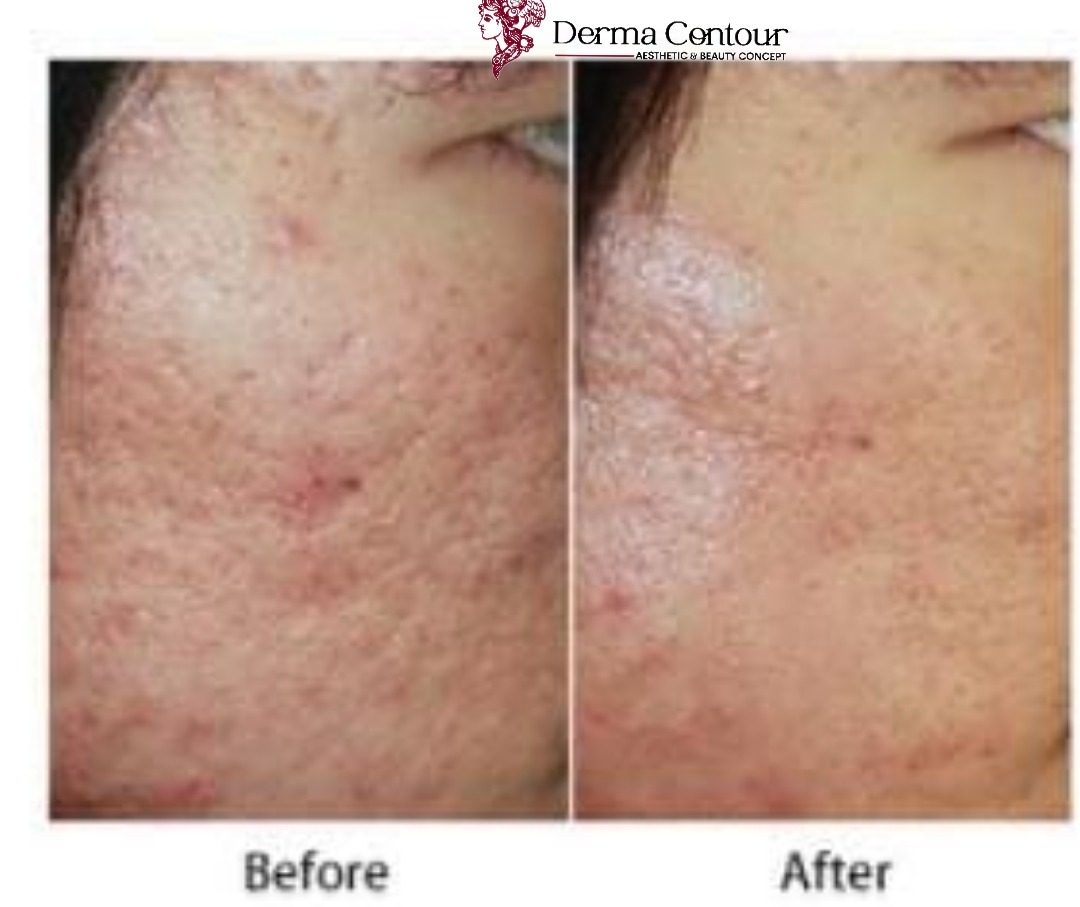
- Why microneedling is effective for striae: Breaking up fibrotic tissue and stimulating regeneration.
- Identifying treatable vs. non-treatable stretch marks.
- Module 3: Devices, Needles, & Topical Serums
- Manual vs. Motorized Pens: Pros, cons, and best use cases.
- Understanding needle lengths: Superficial rejuvenation (0.25mm - 0.5mm) vs. stretch marks and scarring (1.0mm - 2.5mm).
- Guide to cosmetic-grade post-procedure serums: Hyaluronic Acid, Peptides, Growth Factors.
- Module 4: Consultation, Contraindications & Safety
- Conducting a thorough client consultation and patch test.
- Absolute Contraindications: Active infection, keloid history, active rosacea, etc.
- Managing client expectations and discussing the treatment series required for stretch marks.
- Module 5: Protocol Demonstration
- Live Demonstration 1: Full facial skin rejuvenation protocol.
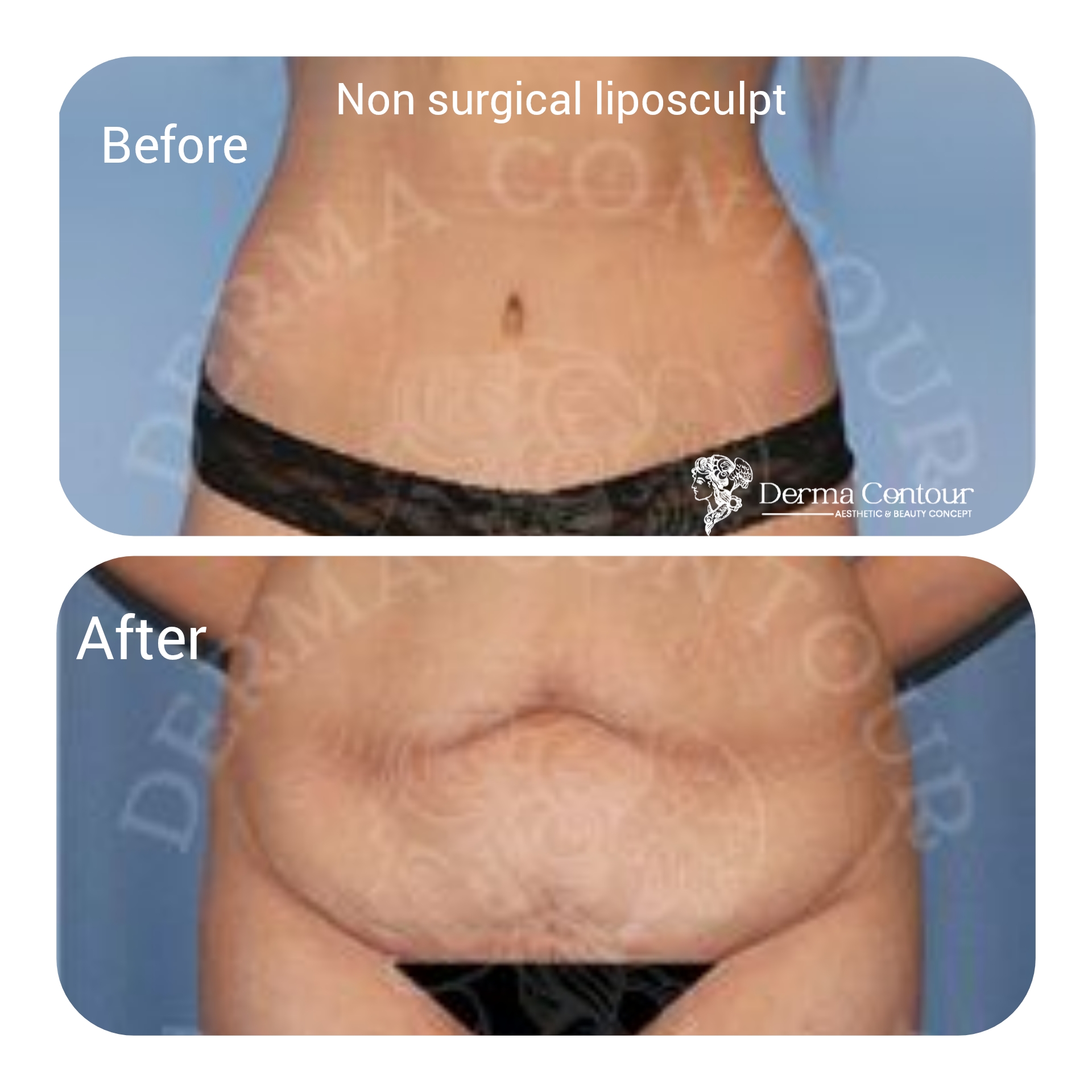
- Live Demonstration 2: Stretch mark treatment protocol on a body area (e.g., abdomen, thighs).
- Emphasis on proper sanitation, needle depth selection, technique (patterns, pressure, and speed), and endpoint identification (uniform erythema/pinpoint bleeding).
- Module 6: Hands-On Practical Session
- Station 1: Facial Rejuvenation. Supervised practice on a live model, focusing on safe techniques around delicate areas (under eyes, mouth).
- Station 2: Body Application. Supervised practice on a live model for stretch marks, focusing on deeper needle techniques and managing larger treatment areas.
- Module 7: Advanced Techniques & Combination Therapies
- Radiofrequency (RF) Microneedling: A brief overview (theory only, as this often requires separate certification).
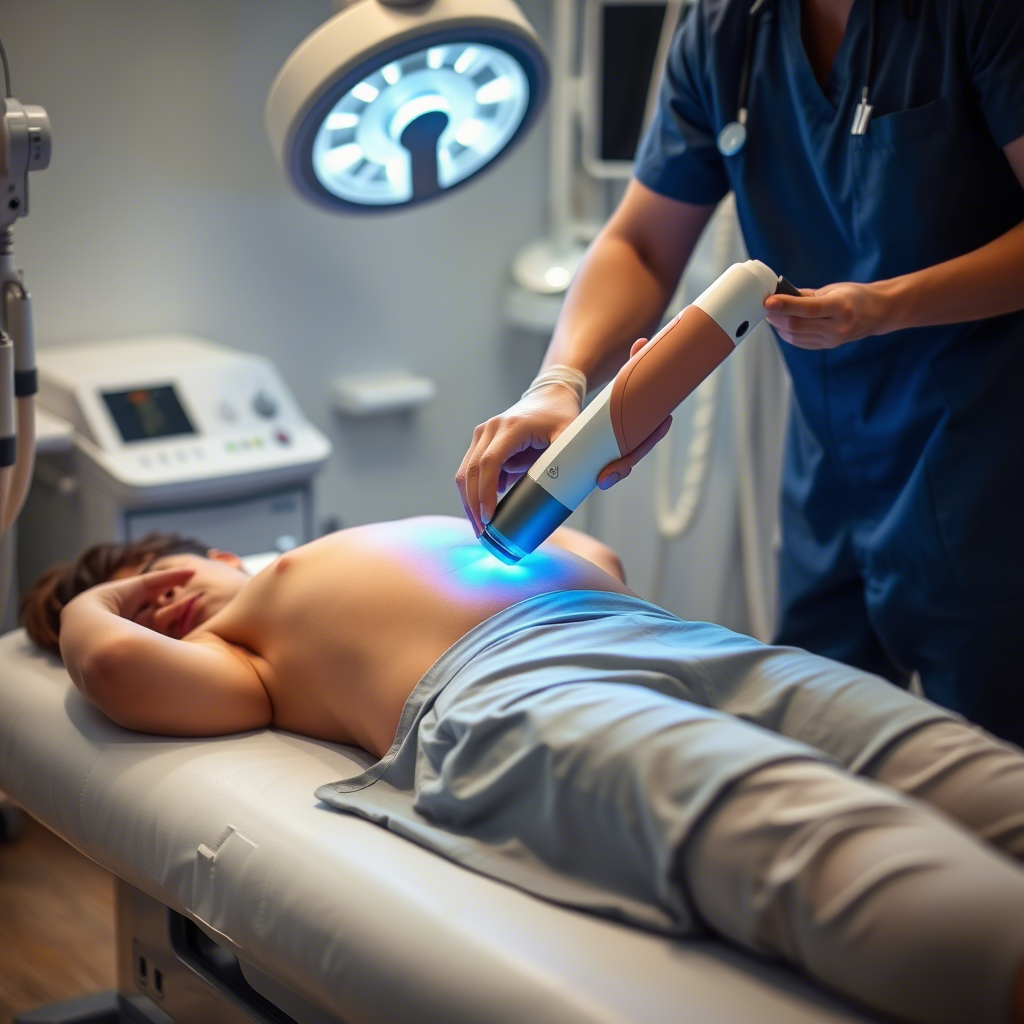
- Combining microneedling with topical serums and LED Light Therapy.
- Designing a treatment plan: Number of sessions, intervals, and home care for both indications.
- Module 8: Post-Treatment Care & Clinical Management
- Essential aftercare for the first 72 hours and the following week.
- Managing common side effects: Redness, swelling, and pinpoint bleeding.
- Recognizing and managing potential complications (e.g., infection, hyperpigmentation).
- Assessment & Examination
- Theory Examination (Day 2):
- A written exam with multiple-choice, true/false, and short-answer questions.
- Must achieve a passing grade of 80% or higher.
- Covers anatomy, device knowledge, contraindications, and protocol differences.
- Practical Examination (Day 2):
- Direct observation by the instructor during both the facial and body practical sessions.
- Assessed on: Aseptic technique, device handling, appropriate depth selection, treatment technique, client comfort, and safety protocol adherence.
- Must be deemed "Competent" in both applications.
- Certification
- A Certificate of Completion in "Microneedling for Stretch Marks and Skin Rejuvenation".
- This certifies that the practitioner has demonstrated the competency to perform these treatments safely and effectively within a non-medical aesthetic practice.

You have to complete the course NiSV Module 1: Skin & Appendages Basics (78 LE) before, to take this course.
Course Info