
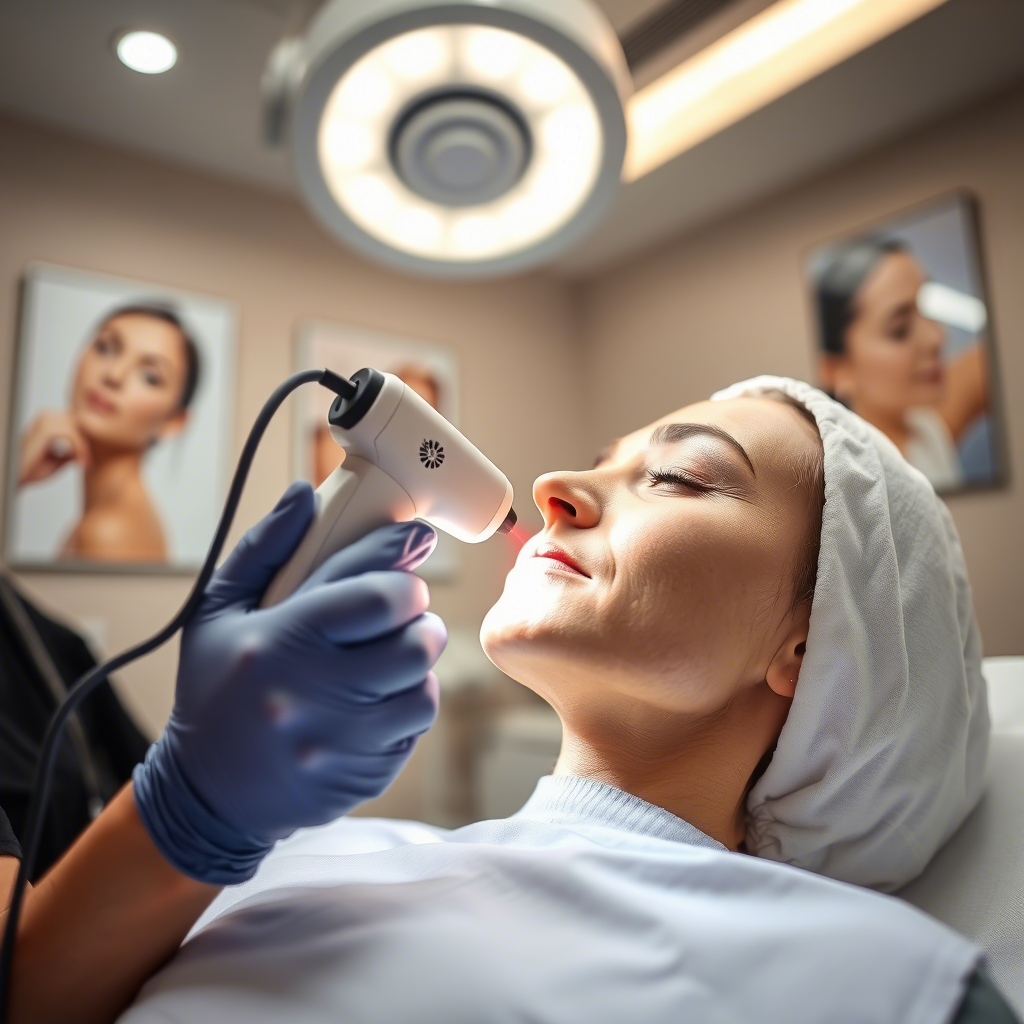
The Psychology of Beauty: Ethical Aesthetics and Managing Patient Expectations in the Clinic
How Derma Academy trains practitioners to navigate the intersection of science, psychology, and patient care.
In an era where a filtered selfie can rack up thousands of likes within minutes, the line between enhancement and expectation has never been more blurred. The psychology of beauty is complex—rooted in evolutionary biology, shaped by cultural norms, and increasingly distorted by the curated perfection of social media.
For aesthetic practitioners, understanding this psychology isn’t just good practice; it’s an ethical imperative.
The “Filter Effect”: When Digital Becomes Reality
Social media platforms have fundamentally altered how patients perceive themselves. A recent study examining Instagram’s story filters found a significant correlation between filter use and increased acceptance of cosmetic surgery, alongside decreased self-esteem . In other words, the more we engage with digitally altered versions of ourselves, the less satisfied we become with the reality in the mirror.
Surgeons are witnessing this firsthand. As ASPS member surgeon Dr. Richard Reish notes, “Filters can be a very addicting thing for a lot of patients, where they are constantly filtering their nose or face, and it gets to be where they almost will not post a photo if it is not filtered” .
This creates a dangerous cycle. The repeated exposure to altered images reshapes expectations, making natural features feel increasingly unacceptable. Patients arrive at consultations with filtered photos of themselves, celebrities, or influencers—demanding results that are anatomically impossible.
Understanding Body Dysmorphic Disorder (BDD)
Perhaps the most critical psychological consideration in aesthetic practice is Body Dysmorphic Disorder (BDD). Characterised by an excessive preoccupation with perceived flaws that are unnoticeable or minor to others, BDD is alarmingly common among those seeking cosmetic procedures.
The numbers are striking: BDD affects up to 3.2% of the general population, but its prevalence among patients seeking cosmetic procedures reaches up to 18.6% .
The implications for treatment are significant. Undergoing cosmetic procedures typically fails to alleviate BDD symptoms and can actually worsen them by reinforcing a pathologic preoccupation . Patients may request multiple revisions, face financial harm seeking to correct unnoticeable defects, and leave practitioners vulnerable to complaints or legal action.
The Ethical Duty: Informed Consent and Saying “No”
Given these psychological complexities, the ethical aesthetic practitioner must look beyond technical skill. The principle of “do no harm” requires screening for psychological vulnerability as rigorously as assessing medical suitability.
A growing body of literature advocates for universal psychological screening before cosmetic interventions. Australia has already implemented nationwide mandatory screening guidelines for registered medical practitioners performing cosmetic procedures . Simple validated tools—such as the four-question BDD Questionnaire, which demonstrates 100% sensitivity and up to 93% specificity—can be seamlessly integrated into standard patient intake .
Informed consent takes on a deeper meaning in this context. It requires not just listing risks, but ensuring the patient has realistic expectations and psychologically appropriate motivations. As Dr. Karen Horton, ASPS member surgeon, explains, “If I don’t think a patient’s expectations are realistic or they are trying to negotiate what can be done with surgery, then they will not become my patient” .
The ability to say “no” is a cornerstone of ethical practice. Research underscores that refusing treatment in cases where patient expectations are unrealistic, psychological vulnerability is suspected, or medical risk factors increase complication likelihood is crucial for maintaining patient safety and professional integrity .
How Derma Academy Trains Practitioners for Ethical Practice
This is where Derma Academy’s approach becomes invaluable. Derma Institute—an award-winning aesthetic training academy voted Australia’s Best Aesthetic Training Academy in 2024 and 2025—has built an entire training philosophy around the intersection of clinical excellence and psychological responsibility .
The Derma Academy Edge:
- Comprehensive Consultation Training – Derma’s curriculum emphasises structured consultations that go beyond assessing anatomical suitability to identifying psychological red flags, including potential BDD and unrealistic expectations .
- Ethics, Values & Professionalism Module – Their Clinical Aesthetic Practice course includes dedicated ethics training, covering patient motivations, understanding psychological drivers, setting professional boundaries, and making appropriate referrals .
- Case-Based Scenarios – Practitioners engage with real-world patient scenarios that explore risk assessment, ethical decision-making, and the importance of thorough documentation .
- Hands-On Practice with Real Patients – Derma’s landmark-based teaching approach ensures practitioners are competent in safe injection techniques before working independently, minimising complications and patient dissatisfaction .
- Recognition and Accreditation – Derma Institute is an approved centre for OTHM qualifications and JCCP-approved training, ensuring its programmes align with the latest professional guidelines and best-practice standards .
Building Confidence, Not Comparison
Ultimately, the goal of ethical aesthetic medicine should not be to impose an idealised standard of beauty, but to help patients feel more confident in their own skin. As Dr. Eva, an aesthetic physician, notes, “Confidence is known to be a beauty multiplier. Confident people are really just more attractive regardless of physical attractiveness” .
The distinction is subtle but crucial. A patient seeking treatment to build genuine confidence may be an appropriate candidate. A patient seeking treatment because they’ve been comparing themselves to filtered, edited, unattainable images is likely not.
The Role of the Patient
While much of the responsibility falls on practitioners, patients also have a role to play. If you’re considering an aesthetic procedure:
- Examine your motivations. Are you seeking this for yourself or to meet external expectations?
- Bring realistic reference images. Avoid filtered photos of yourself or celebrities—instead, use images from your practitioner’s own portfolio.
- Ask questions. A good practitioner will welcome your questions and be transparent about what is and isn’t achievable.
- Be honest about your history. Disclose previous procedures, as well as any psychological concerns or conditions.
The Path Forward
As aesthetic medicine continues to evolve, the practitioners who will thrive are those who combine technical mastery with psychological insight and ethical clarity. Training institutions like Derma Academy are leading the way—equipping practitioners not just with injection techniques, but with the consultation skills, ethical frameworks, and patient safety protocols that define responsible practice.
In the end, the most beautiful outcome isn’t just a well-executed procedure. It’s a patient who leaves the clinic feeling more confident, more authentic, and more at peace with their own reflection.
Derma Academy offers comprehensive training in clinical aesthetics, including consultation skills, ethics, and patient safety. All courses are aligned with JCCP standards and delivered by experienced practitioners.