
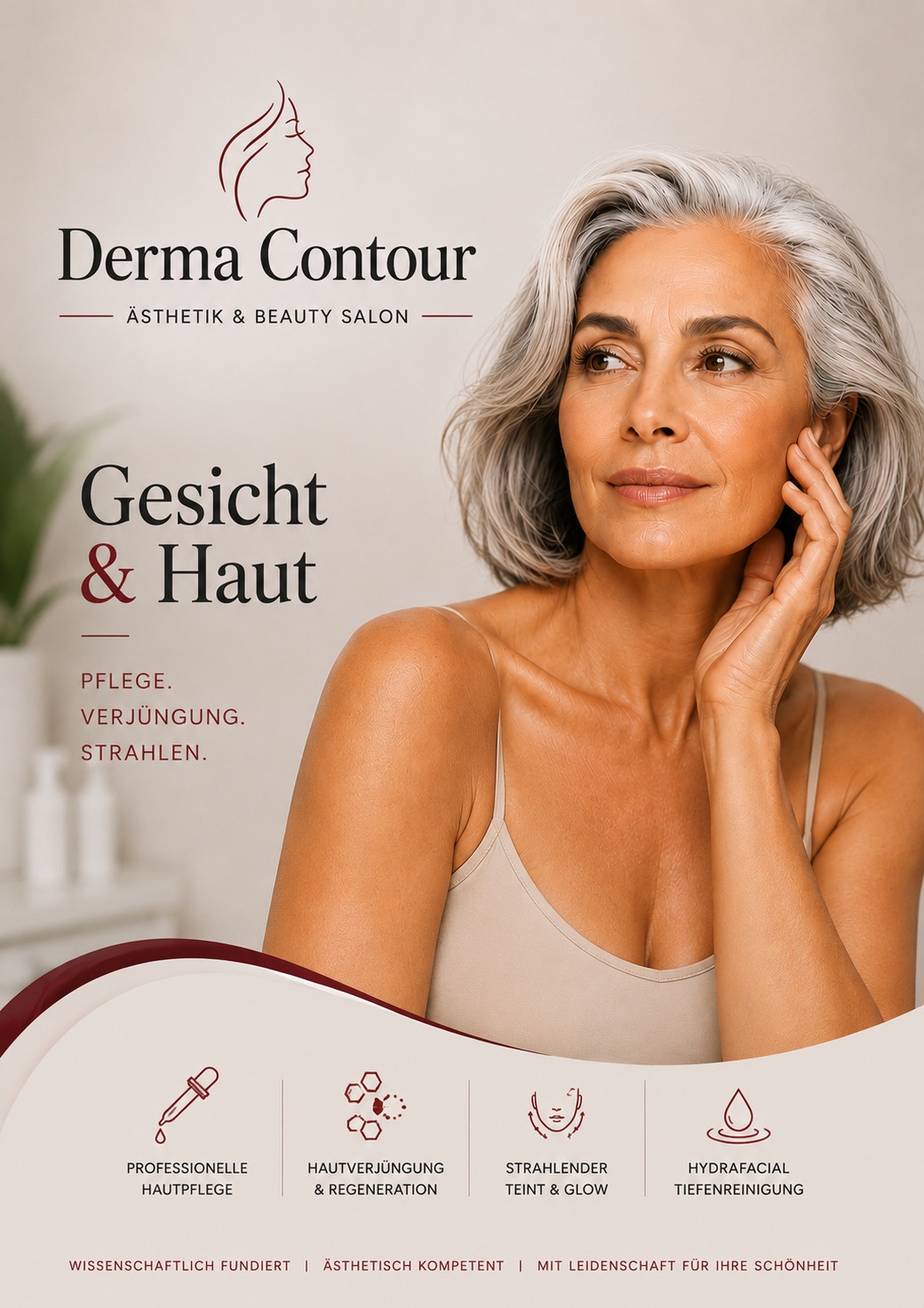
Discover why aesthetic trends in 2025 are shifting toward naturalness, individuality, and facial harmony. Learn why a conservative, patient-centered approach leads to better results.
The Rise of Natural Results: A Shift in Aesthetic Ideals
The aesthetic medicine landscape is undergoing a profound transformation. The era of dramatic, obvious results—often characterized by overfilled cheeks, exaggerated features, and a “done” look—is giving way to something far more sophisticated. In 2025, the dominant trend is a clear and decisive shift toward naturalness, individuality, and harmonious proportions .
Patients are no longer seeking to look like someone else or to achieve an unattainable, filtered ideal. Instead, they want to look like the best version of themselves: refreshed, healthy, and authentic. For aesthetic practitioners, understanding this shift is not just about staying on-trend—it is about practicing modern, patient-centered, and ethical medicine.
What is Driving the Shift?
This movement toward natural aesthetics is a direct and conscious reaction against the overly standardized looks that dominated the 2010s, often fueled by social media trends. The phenomenon of “pillow face” or “Instagram face”—characterized by overfilled cheeks and lips—has created a powerful counter-movement .
Patients today are increasingly rejecting the idea of “copying” celebrity features and instead desire treatments that enhance their own unique characteristics . This is a return to the concept of authentic aesthetics, where the goal is to preserve individuality and show a more refined and elegant version of oneself.
Several key trends are driving this change:
1. A Rejection of Unrealistic Ideals
There is a growing societal pushback against digitally altered images and unrealistic beauty standards. Professional organizations like the DGÄPC (German Society for Aesthetic Plastic Surgery) are actively advocating for mandatory labeling of digitally altered images in advertising and social media . This helps patients understand that the “perfect” faces they see online are often unattainable and may not represent authentic beauty. Many patients now come to consultations with expectations grounded in reality, rather than in AI-generated or heavily filtered images .
2. Harmonization Over Transformation
The concept of “facial harmonization” has become the gold standard . This philosophy moves away from treating individual features in isolation and instead focuses on the face as a whole. The goal is to improve balance and proportions so that all features work together seamlessly.
- Proportion & Balance: Modern practitioners assess how the eyes, nose, cheeks, jawline, and neck relate to one another. Any enhancement is designed to complement the overall structure, ensuring that results feel cohesive and authentic .
- Patient-Centered Care: A personalized treatment plan is essential. Instead of applying a one-size-fits-all approach, practitioners are creating customized plans that respect the patient’s age, skin condition, and personal goals . This approach often involves a combination of surgical and non-surgical treatments to achieve a balanced outcome .
3. Minimally Invasive and Regenerative Focus
The demand for treatments with minimal downtime and natural-looking results is surging . This is partly why procedures like Botox and hyaluronic acid fillers remain highly popular—they are effective and can be adapted for subtle, individualized improvements. However, patients are also looking for more sustainable, long-term solutions.
There is a growing interest in regenerative medicine, which works with the body’s own mechanisms. For example, procedures that use the body’s own regenerative capacities are gaining popularity for skin rejuvenation . Collagen stimulators like Sculptra are also becoming more prominent, as they offer a gradual, natural-looking restoration of volume and firmness by boosting the body’s own collagen production over several months . This approach appeals to patients who want to see a “fresh glow” rather than an abrupt change.
4. Addressing “Ozempic Face”
The rise of GLP-1 weight-loss medications (like Ozempic and Mounjaro) has created a new patient demographic. After significant and rapid weight loss, many people experience facial volume loss and loose skin. This has created a demand for treatments that restore harmony and fullness without creating an unnatural or “done” appearance. Practitioners skilled in subtle volumizing and skin-tightening techniques are perfectly positioned to help these patients achieve a refreshed, balanced look .
What This Means for Aspiring Aesthetic Practitioners
The shift toward natural results is more than just a trend—it is a fundamental change in how patients view aesthetic medicine. For students and practitioners, this presents a clear opportunity.
Why a Conservative, Patient-Centered Approach Leads to Satisfaction
- Better Patient Outcomes: A conservative approach that focuses on subtle enhancements and facial harmony often leads to higher patient satisfaction. Patients want to look refreshed and healthy, not changed. This approach is also more forgiving, as subtle results can be easily maintained over time.
- Building Trust: Practitioners who prioritize naturalness are seen as more trustworthy and ethical. They act as educators, guiding patients away from unrealistic expectations and toward achievable, authentic results . This is a crucial responsibility in an industry where many unqualified “beauty docs” may promise the impossible.
- Meeting Modern Demand: The data shows that this shift is widespread. In Germany, for example, the DGÄPC Statistics for 2025 indicate that patients are increasingly seeking harmony and natural proportions. For the first time, breast lifts became more popular than breast augmentations with implants, reflecting a desire for natural shape over volume . By mastering the art of subtlety, you are aligning yourself with the needs of the modern patient.
Educational Takeaways
The future of aesthetic medicine belongs to those who can combine technical skill with an artistic eye for balance and proportion. Training that emphasizes anatomy, facial assessment, and patient communication is now more important than ever. Modern practitioners must be able to analyze a patient’s face holistically, understanding the interplay of skin quality, symmetry, and proportion . This ensures that every treatment plan is scientifically rigorous, culturally sensitive, and aligned with the patient’s personal ideal of beauty.
Conclusion
The shift to “less is more” is not a passing fad; it represents a new era for aesthetic medicine, focused on quality, individuality, and patient well-being. For patients, this means achieving results that are refreshingly natural and authentically them. For practitioners, it is a call to elevate their skills, prioritize patient education, and champion a more responsible and refined aesthetic ideal. By embracing this philosophy, you will not only meet the demands of the market but also play a key role in building a more trustworthy and patient-centered industry.