
Slug: /aesthetic-fatigue-less-is-more-trend
Excerpt: Tired of the pressure to look “perfect”? Discover why aesthetic fatigue is driving a cultural shift toward raw authenticity and how embracing “less is more” can transform your relationship with beauty.
Introduction
For the better part of the last decade, we have lived in the era of “maximum aesthetics.” From perfectly curated Instagram grids to the rise of “Zoom face” (the pressure to look flawless on camera), we have been bombarded with an unattainable standard of visual perfection. But a shift is happening. A growing sense of exhaustion—known as Aesthetic Fatigue—is sweeping through culture.
We are tired of the filters. We are tired of the upkeep. And we are finally ready to embrace the raw, unpolished, and authentic.
In this post, we explore why “less is more” is becoming the new ideal and why this cultural reset is essential for our mental health and creative well-being.
The Rise of the “Perfect” Illusion
To understand Aesthetic Fatigue, we must first look at how we got here. The rise of social media platforms like Instagram and TikTok created a hyper-visual culture where the “scroll-stopper” became the ultimate goal.
- The Curated Life: We were sold a dream that our homes, our bodies, and our faces needed to look like editorial spreads 24/7.
- Filter Fatigue: The constant use of airbrushing and digital alteration created a “Twilight Zone” effect, where everyone in real life looked noticeably different from their online personas.
- The “Maximalist” Trap: For a while, maximalism reigned—bold colors, heavy makeup, and loud patterns. While fun, it created a sensory overload that eventually became unsustainable.
The result? We are now experiencing a cultural hangover. We are tired of performing perfection.
What is Aesthetic Fatigue?
Aesthetic Fatigue is the psychological and emotional exhaustion resulting from the constant demand to consume and produce highly polished, curated visual content.
Symptoms of Aesthetic Fatigue:
- Decision Paralysis: Feeling overwhelmed by too many style or design choices.
- Guilt: Feeling “less than” because your home or face doesn’t look like the influencers you follow.
- Disconnection: Realizing that the highly edited content you are viewing (or creating) doesn’t reflect reality, leading to a sense of emptiness.
- Burnout: The sheer energy required to maintain a specific “look” feels futile.
This fatigue is driving a massive pendulum swing back toward simplicity.
The “Less is More” Movement
As the fatigue sets in, the “Less is More” philosophy is emerging as the antidote. This isn’t just minimalism; it’s a conscious simplification.
1. Authenticity Over Aspiration
The new ideal isn’t about being the most beautiful person in the room; it’s about being the most real. People are craving connection over competition. Raw photos, unfiltered skin, and natural lighting are becoming the new currency of cool.
2. Quiet Luxury and Slow Design
In fashion and interiors, we see the rise of “quiet luxury.” It’s about quality over quantity—investing in pieces that last rather than buying trends that fade. This philosophy is rooted in the idea that the most elegant statement is often the least loud.
3. The “Clean Girl” and “Coffee Shop” Aesthetics
Gen Z is spearheading the shift toward “lived-in” aesthetics. Think messy buns, no-makeup makeup, and cozy, un-staged environments. The appeal is that it’s achievable. It says, “I am comfortable in my own skin,” which is infinitely more attractive than a face full of heavy makeup.
How to Embrace the “Less is More” Philosophy
Ready to break the cycle of Aesthetic Fatigue? Here is how you can shift your perspective and embrace the new ideal.
1. Digital Declutter
Unfollow accounts that make you feel insecure or stressed. Replace them with creators who show “the process” rather than just the “finished product.” Look for the cracks, the mistakes, and the humanity.
2. Focus on Health, Not Appearance
Shift your goal from looking good to feeling good. This is a core principle at our academy. True radiance comes from health. Prioritize sleep, hydration, and mental peace over contouring and highlighting.
3. Embrace “Wabi-Sabi”
This Japanese concept teaches us to find beauty in imperfection. The chipped mug, the messy hair, the “off” day—these are not flaws; they are proof of life.
4. Curate, Don’t Collect
Whether it’s your wardrobe or your makeup bag, curate a collection of items you truly love and use. Reduce the clutter to reduce the anxiety.
The Role of Education in a “Less is More” World
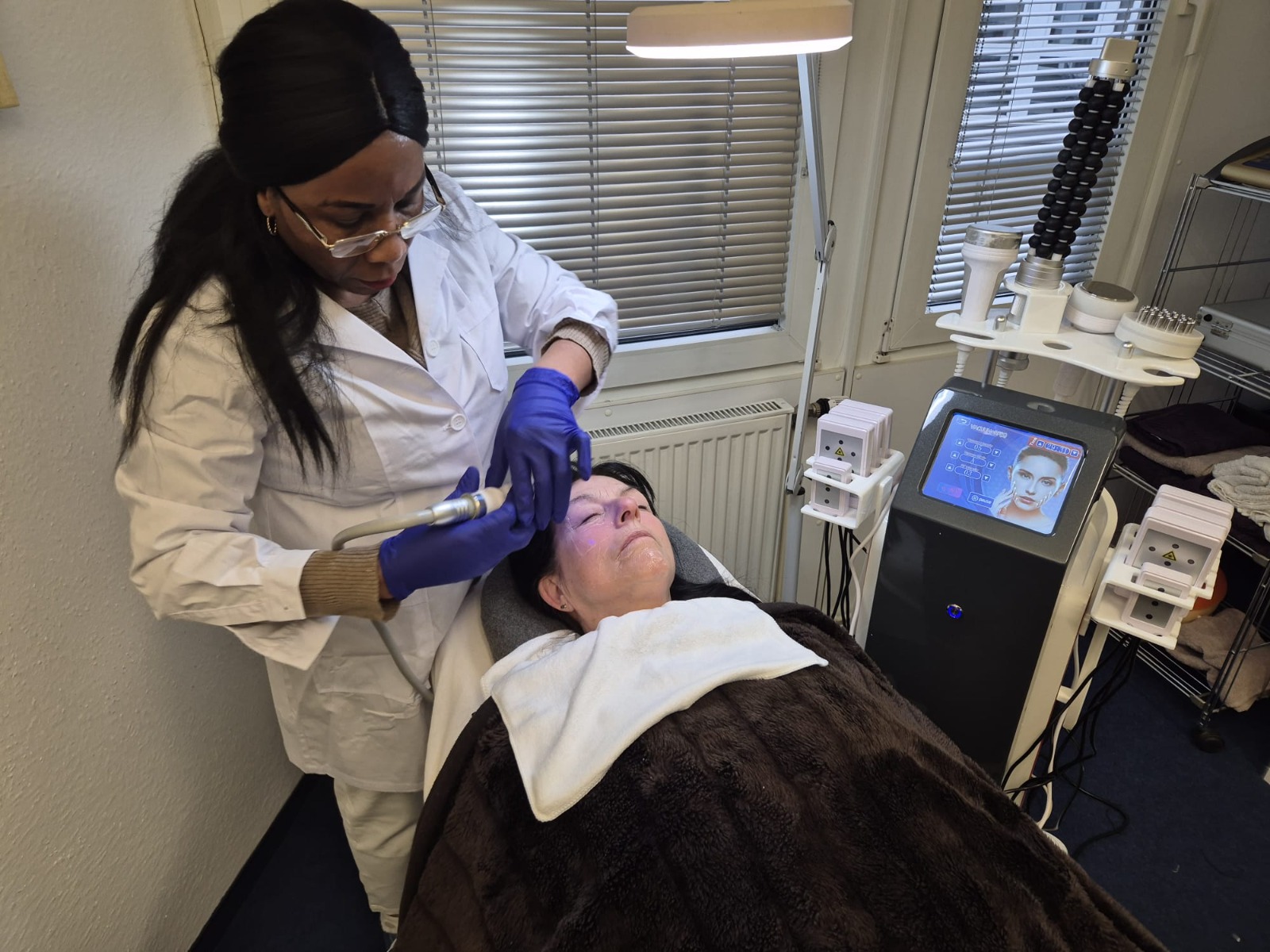
As an academy, we understand that education is crucial in this transition. We are moving away from teaching “one-size-fits-all” perfectionism and toward teaching individualized enhancement.
Our curriculum focuses on:
- Skin Health: Enhancing natural features rather than masking them.
- Functional Beauty: Creating looks that work for your lifestyle, not just for a photo shoot.
- Wellness: Understanding that internal health is the foundation of external beauty.
We are not training students to be “Instagram Models”; we are training them to be experts in human connection and authentic care.
Conclusion
Aesthetic Fatigue is not a rejection of beauty; it is a redefinition of it. We are moving away from the sterile, unattainable, and exhausting perfection of the past and moving toward a future where the “mess” is welcome.
“Less is more” is the new ideal because it is sustainable. It is kind. And most importantly, it is real.
Are you ready to embrace the shift? At The Derma Academy Germany, we are here to guide you toward a healthier, more authentic relationship with beauty.